

Table of Contents
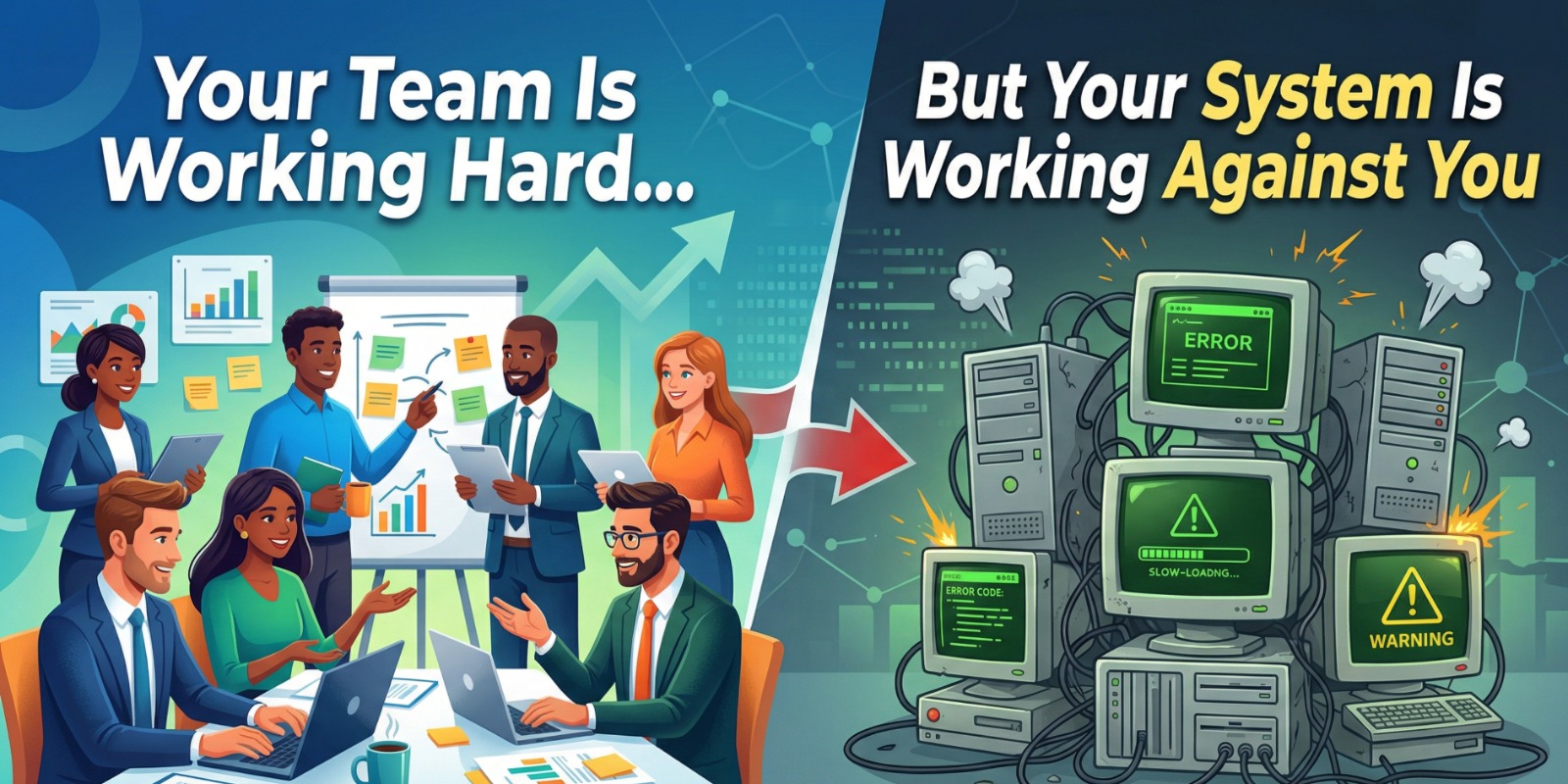
Your employees are busy. Sales teams are chasing leads, finance is managing invoices, operations are tracking inventory, and management is making decisions. Everyone is working hard. But despite all the effort, growth feels slow, mistakes keep happening, and visibility is missing. If this sounds familiar, the problem may not be your team — it may be your system.
Many small to large businesses in the UAE operate with disconnected tools. CRM in one place, accounting in another, inventory in spreadsheets, and approvals through email or WhatsApp. On the surface, everything seems functional. But behind the scenes, these disconnected systems create delays, duplicate work, and costly errors.
This is where businesses unknowingly lose productivity.
The Hidden Problem: Disconnected Business Systems
When departments use different tools, information does not flow smoothly. Sales confirms an order without checking stock. Finance invoices with outdated pricing. Operations dispatches late because approvals were stuck in email. Management sees reports that are already outdated.
Your team is working harder to compensate for system gaps.
Instead of focusing on growth, they spend time:
- Searching for information
- Updating multiple systems
- Fixing manual errors
- Following up for approvals
- Creating reports manually
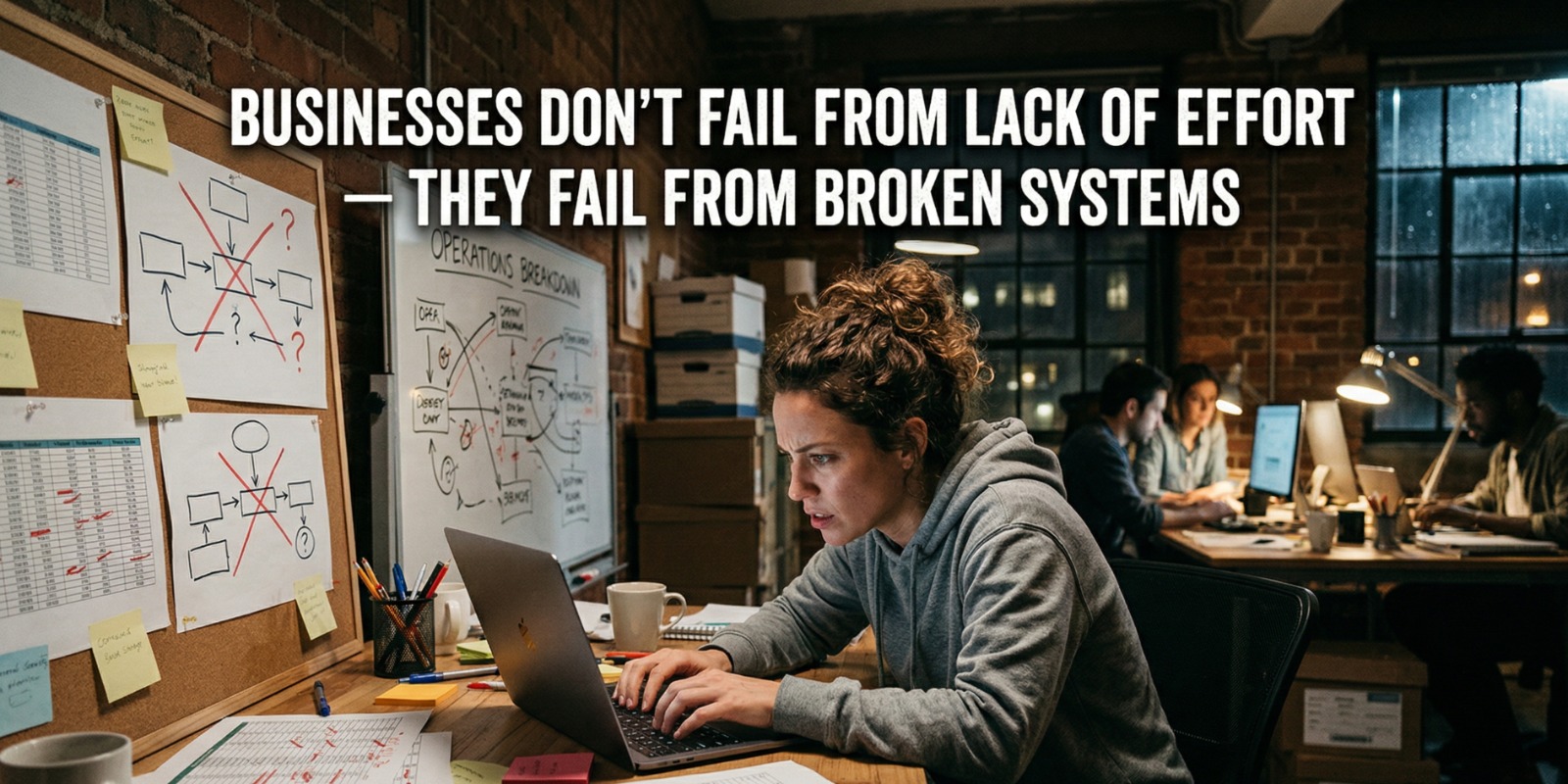
This is not a people problem. This is a system problem.
What This Looks Like in Real Businesses (UAE Market)
In the UAE, many SMEs and mid-size companies experience:
- Retail businesses are struggling with inventory mismatches across branches
- Trading companies dealing with delayed quotations and manual pricing
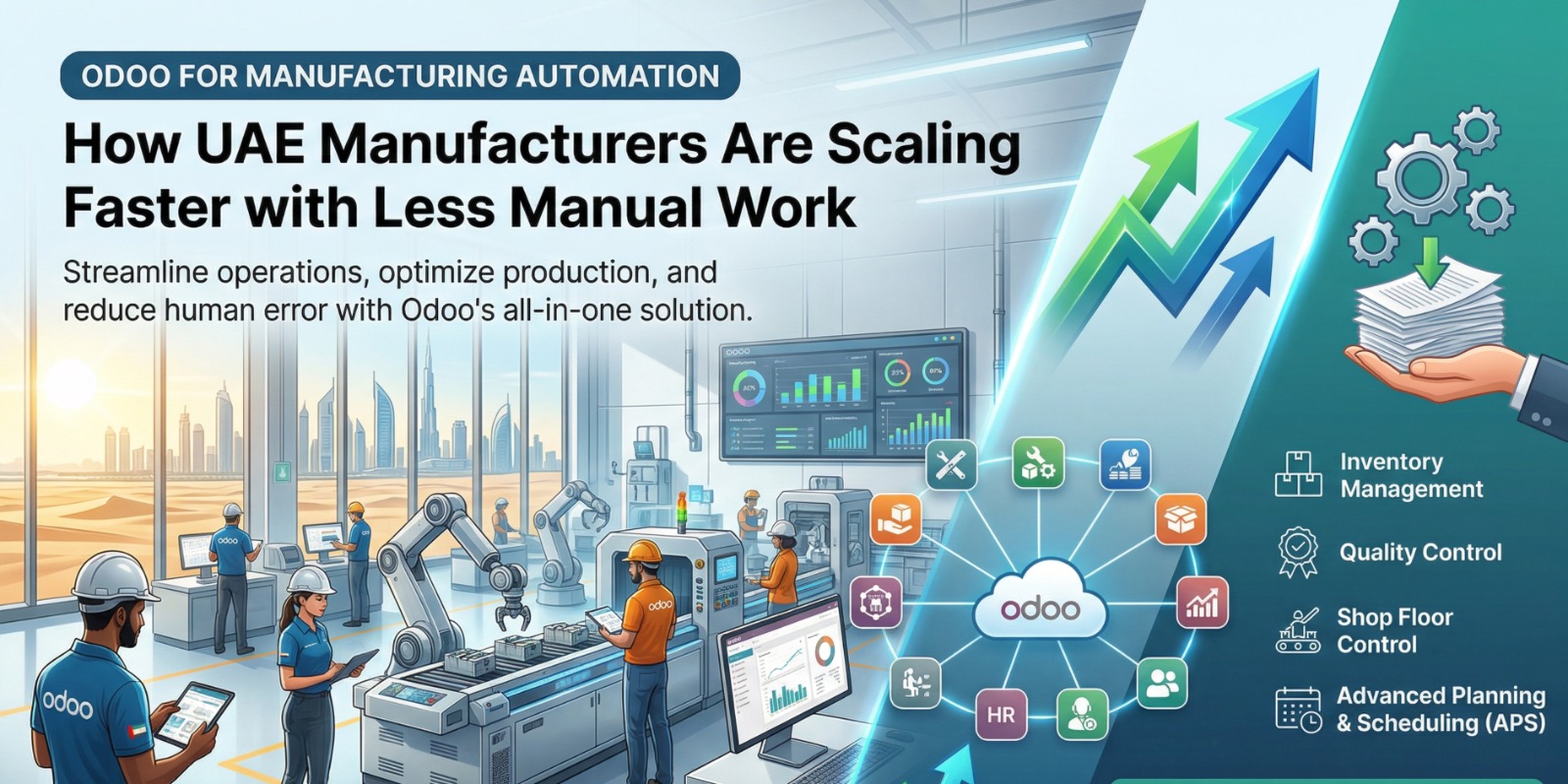
- Manufacturing firms lacking real-time production visibility
- Service companies managing projects in spreadsheets
- Finance teams manually reconciling data from multiple sources
As businesses scale, these issues grow faster than revenue.
Working Hard vs Working Smart
Here’s the difference between disconnected systems and an integrated ERP approach:
| Area | Disconnected Tools | Integrated ERP System |
|---|---|---|
| Sales | Manual follow-ups | Automated pipeline tracking |
| Inventory | Spreadsheet updates | Real-time stock visibility |
| Accounting | Separate system | Auto-generated invoices |
| Approvals | Email/WhatsApp | Workflow automation |
| Reporting | Manual reports | Real-time dashboards |
| Operations | Delayed coordination | Connected workflows |
When systems are integrated, teams stop chasing data and start making decisions.
Why This Happens as Businesses Grow
When companies start, simple tools work. Excel sheets, standalone CRM, accounting software, and email workflows are enough. But as business volume increases, these tools stop scaling.
Common growth-stage problems include:
- Multiple versions of the same data
- Lack of real-time visibility
- Manual approvals causing delays
- Duplicate data entry across systems
- No centralized reporting
- Limited automation
These inefficiencies quietly reduce profitability.
The Solution: Integrated ERP for Unified Operations
An integrated ERP like Odoo connects all business functions into one system. Sales, CRM, inventory, accounting, HR, and operations work together in real time. Information flows automatically across departments.
For example:
When sales confirms an order:
- Inventory is automatically reserved
- Invoice is generated in finance
- Delivery is scheduled in operations
- Management dashboard updates instantly
No manual intervention required.
Your team continues working hard — but now the system supports them instead of slowing them down.
Real Business Scenario (UAE Trading Company)
Consider a UAE-based trading company managing multiple suppliers and customers. Before ERP implementation, their workflow looked like this:
Sales created a quotation in Excel
Approval sent via email
Stock checked manually
Invoice created in the accounting system
Dispatch updated separately
Reports created weekly
This caused delays, pricing errors, and missed opportunities.
After implementing an integrated ERP:
Quotation created in CRM
Approval automated
Stock availability is visible instantly
Invoice auto-generated
Dispatch scheduled automatically
Real-time dashboard available
Result:
- Faster order processing
- Fewer errors
- Improved customer response time
- Better decision-making
- Increased operational efficiency
Key Benefits for UAE Businesses
1. Real-Time Visibility
Management gets instant insights into sales, inventory, and finance without waiting for reports.
2. Reduced Manual Work
Automation eliminates duplicate entries and repetitive tasks.
3. Faster Decision Making
Live dashboards help leadership act quickly.
4. Improved Team Productivity
Employees focus on value-added work instead of admin tasks.
5. Better Customer Experience
Faster quotes, accurate deliveries, and smooth invoicing.
6. Scalable Growth
System grows with your business from SME to enterprise.
Signs Your System Is Working Against You
You may need an integrated ERP if:
- Teams ask for data frequently
- Reports take hours or days to prepare
- Inventory mismatches happen often
- Sales and finance data don’t match
- Too many Excel sheets exist
- Manual approvals slow operations
- Management lacks real-time insights
These are clear indicators that your system needs an upgrade.
From Hard Work to Smart Operations
Your team is not the problem. In most cases, employees are doing their best with the tools they have. The real improvement comes when systems empower them.
An integrated ERP transforms:
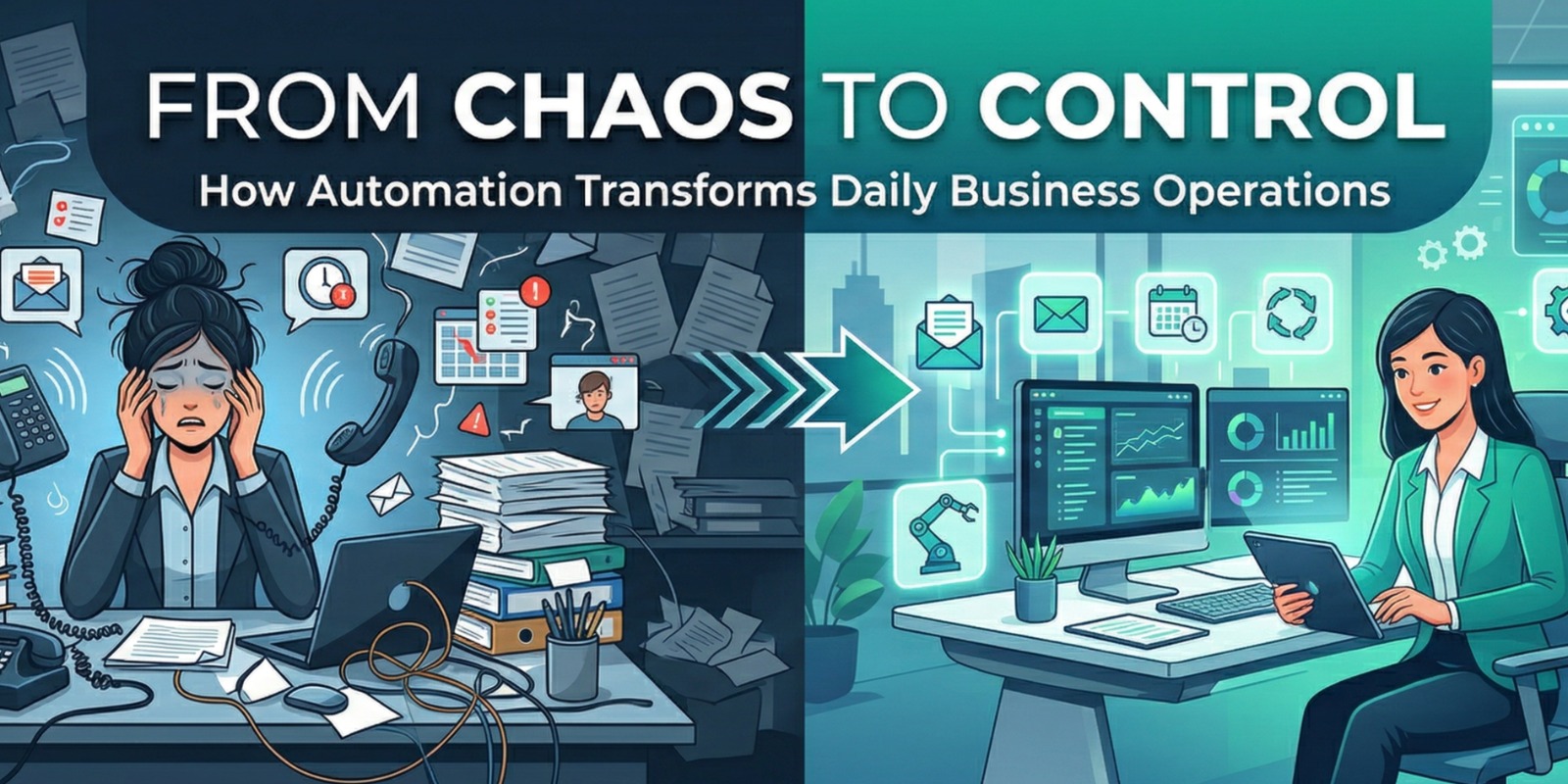
Manual → Automated
Disconnected → Unified
Delayed → Real-time
Complex → Simplified
Hard work → Smart work
When systems align with business processes, productivity improves naturally.
Final Thoughts
Businesses in the UAE are growing rapidly, and competition is increasing. Companies that rely on disconnected tools will struggle to scale efficiently. Those that invest in integrated systems will gain visibility, speed, and control.
Your team is already working hard.
Now it’s time to make sure your system works just as hard.
A unified ERP platform connects your people, processes, and data into one powerful ecosystem — helping your business move faster, reduce errors, and scale confidently.
The question is not whether your team is working hard.
The real question is — is your system helping them, or holding them back?



Post Comment