


Table of Contents
The Future of Finance Is Automated
Accounting is changing faster than ever. What once took hours of spreadsheets, manual entries, and endless cross-checking is now moving towards full automation. In 2026, CFOs will no longer focus on “How fast can we close the books?” but instead ask, “What insights can my automated system show me today?”
Automation is not just a trend—it is becoming the new “must-have” for businesses of every size. With rising competition, tighter margins, and the need for real-time decisions, finance leaders want tools that save time, reduce errors, and protect the business from risks.
This blog explains the most important accounting automation features CFOs will rely on in 2026. Written in simple language, it will help any business owner, finance leader, or manager understand where the industry is heading and why upgrading to smarter systems is no longer optional.
The Features Every CFO Will Want in 2026

1. Real-Time Financial Dashboards
Manual reporting is slow. By the time the report is ready, the numbers have already changed. CFOs now want dashboards that refresh automatically and show live data from sales, expenses, inventory, payroll, and banking.
Why it matters:
- Makes decision-making faster
- Helps identify problems the moment they appear
- Removes the risk of outdated reports
These dashboards also visualize data—like charts and graphs—so teams can understand financial health at a glance.
2. Automated Bank Reconciliation
Earlier, accountants spent hours matching bank entries with system entries. In 2026, systems will automatically sync with banks, match entries, highlight mismatches, and suggest corrections.
Why it matters:
- Reduces manual work
- Prevents errors that cause audit issues
- Saves hours during month-end closing
This is one of the fastest-growing automation features worldwide.
3. Smart Expense Management with AI
Employees upload receipts. AI reads the text, extracts the amount, category, date, and merchant name, and matches it with company rules. No one needs to check each receipt manually.
Why CFOs love it:
- Zero fraud risk
- Faster reimbursements
- Real-time expense visibility
Companies can also block policy violations automatically.
4. Automatic Invoice Creation & Payment Tracking
In 2026, automated invoicing tools will do everything from creating invoices to sending reminders.
Key features include:
- Auto-generated invoices from sales orders or subscriptions
- Smart reminders for pending payments
- Auto-levying late fees
- Instant payment links for customers
This improves cash flow and makes collections smoother.
5. AI-Powered Forecasting
Forecasting used to be guesswork. Now AI studies past data, market trends, seasonality, and spending patterns to predict future cash flow, revenue, and expenses.
Why CFOs depend on this:
- Helps plan budgets more accurately
- Reduces financial risks
- Supports long-term strategy
AI forecasting gives a competitive advantage to companies that want to grow.
6. Automated Tax Compliance
Tax rules change often. Automation tools in 2026 will calculate tax automatically, apply updated rules, and prevent mistakes that lead to penalties.
What it handles:
- Automatic tax calculation
- Country-specific compliance
- Filing reminders
- Ready-to-export audit reports
No more worrying during tax season.
7. Vendor & Purchase Automation
Procurement is a big part of any business. Automated workflows in 2026 handle:
- Purchase approvals
- Vendor payments
- Rate comparison
- Delivery tracking
- Contract automation
This eliminates delays and ensures better control over spending.
8. Fraud Detection and Risk Alerts
AI systems now detect unusual patterns in transactions—like duplicate entries, inflated bills, or suspicious changes in records.
Why it’s crucial:
- Protects the business from fraud
- Ensures audit readiness
- Gives early warnings before damage happens
Fraud detection is turning into a standard requirement in modern finance.
9. Automated Payroll Accounting
Payroll errors can hurt business reputation. Automated payroll ensures accurate salary calculations, leave adjustments, deductions, and compliance.
Benefits:
- No manual intervention
- Fewer mistakes
- Faster payouts
The system also posts payroll entries directly into accounts.
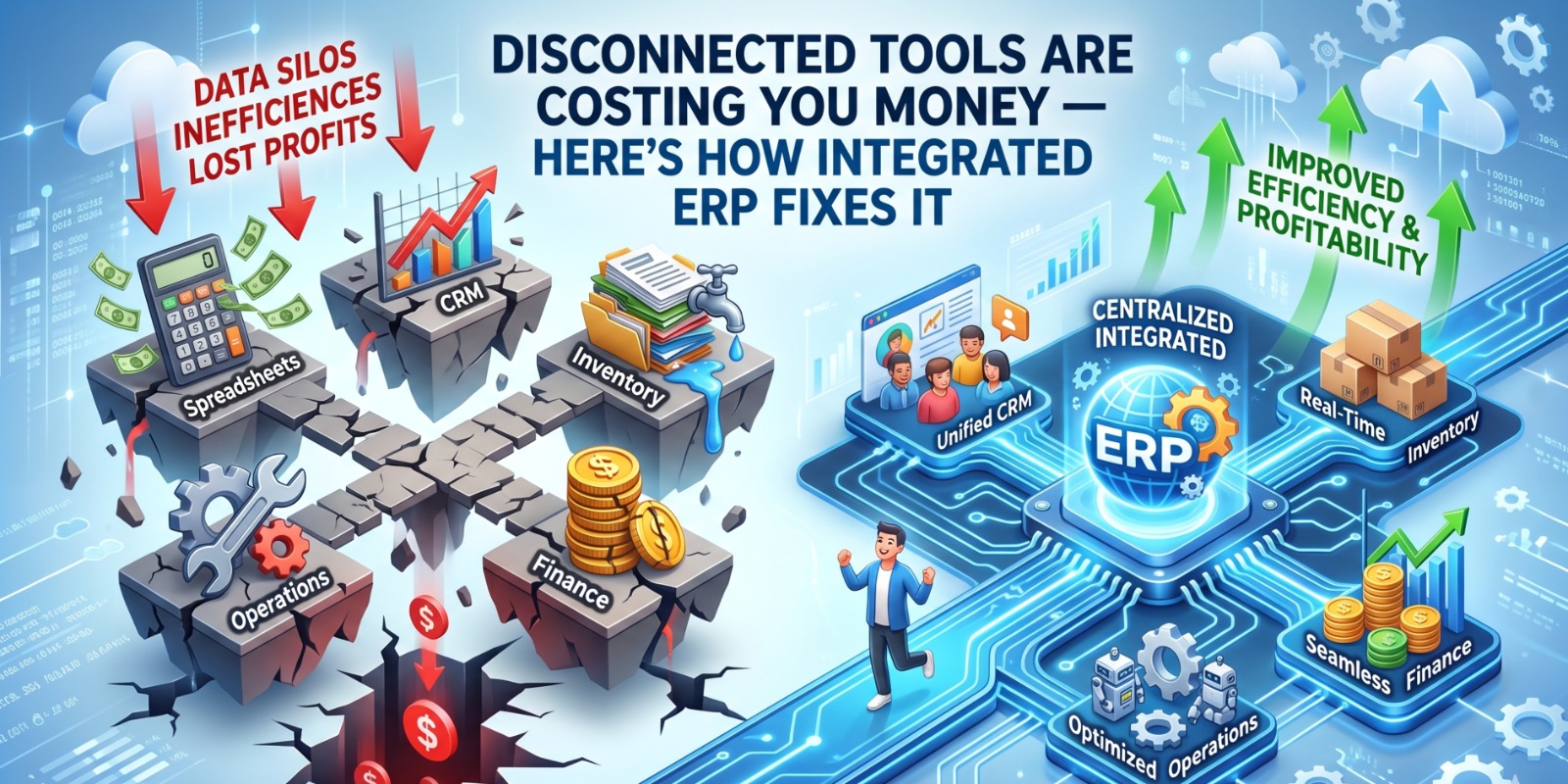
10. Seamless ERP Integration
CFOs want all systems to talk to each other—CRM, inventory, HR, manufacturing, and finance.
Why it matters:
- Removes duplicate data entry
- Improves visibility across departments
- Strengthens decision-making
Integration is becoming the backbone of automation.
11. Auto-Generated Financial Statements
Balance sheets, P&L statements, and cash flow reports will be created in seconds.
This saves time during:
- Audits
- Funding discussions
- Board meetings
- Monthly reviews
No more waiting for accountants to work through hundreds of entries.
12. Mobile-First Accounting Tools
CFOs can now approve expenses, view dashboards, check KPIs, and track invoices directly from their phone.
Why it matters:
- Faster decisions on the go
- No dependency on office systems
- Real-time alerts
This is especially useful for leaders traveling frequently.
Conclusion: 2026 Will Be the Year of Fully Automated Finance
Accounting is moving from manual, repetitive work to smart, automated systems that think, learn, and act. CFOs want tools that cut delays, reduce human error, and give deep financial insights.
In 2026, businesses that embrace automation will move faster, stay compliant, and operate with better clarity. Those who delay automation will struggle with slow processes, incorrect data, and missed opportunities.
The message is simple:
Modern finance needs modern tools. Automation is no longer a choice—it is the new normal.



Post Comment