

Table of Contents
Running a business in 2026 is very different from how it used to be. Customers expect faster service. Teams work from many locations. Governments ask for cleaner, more accurate financial data. Markets are growing, but competition is growing even faster.
This is why modern CRMs (Customer Relationship Management systems) and next-generation accounting platforms have become essential tools. They do more than store customer details or create invoices—they help you run your entire business smarter, faster, and with more confidence.
In this blog, we explore how the latest CRM and accounting technologies prepare you for the 2026 financial year, what new features matter most, and why companies of all sizes are moving to digital systems now.
Why 2026 Will Be a Game-Changing Year
The financial year 2026 will bring new expectations for:
- Real-time reporting
- Faster reconciliation and compliance
- Automated workflows
- Customer-centric growth
- AI-driven decision-making
Governments in many regions—including the UAE, Middle East, Africa, India, and Europe—are pushing businesses toward e-invoicing, digital tax submissions, and real-time financial audits.
At the same time, customers expect personalized communication, faster replies, and smart post-purchase support.
Modern CRMs and cloud-based accounting systems help businesses meet all these requirements with ease. They connect sales, finance, support, operations, and management into one single source of truth. Most importantly, they reduce manual work and give leaders more time to focus on growth.
1. Smarter Customer Management with New-Age CRMs
2026 CRMs come with features that help businesses understand and serve customers better:
A. AI-Powered Customer Insights
Modern CRMs now use AI to:
- Predict which customers are likely to purchase
- Suggest the best time to call or email
- Score leads automatically
- Provide recommended follow-up actions
This helps sales teams close deals faster and reduce missed opportunities.
B. 360° Customer Profiles
Every customer interaction—calls, emails, meetings, website visits, chat messages—gets recorded in one place.
This helps your team:
- Know the customer’s history
- Track preferences
- Solve issues quickly
- Deliver personalized service
C. Omnichannel Communication
Today’s CRMs connect with:
- WhatsApp
- Social media
- Email
- Website chat
- SMS
- Phone call logs
This ensures no message is lost and every customer feels attended to.
2. Faster Sales, Better Forecasting, and Clean Reports
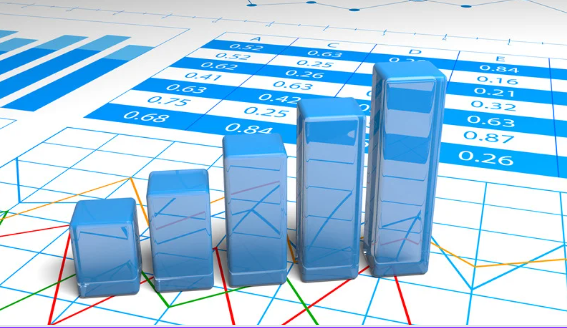
Modern CRMs for 2026 include improved forecasting dashboards. These tools:
- Show expected monthly/quarterly revenue
- Track targets vs. actual performance
- Identify slow-moving deals
- Spot high-value opportunities
Managers get a clear picture of upcoming sales without digging through spreadsheets.
3. Accounting Platforms That Reduce 70% of Manual Work

Next-generation accounting tools—like Odoo Accounting, Zoho Books, QuickBooks, Xero, Sage, and Tally Prime with cloud features—now automate most day-to-day work.
A. Smart Invoicing and Auto-Reminders
You can:
- Create GST/VAT-ready invoices
- Automate late payment reminders
- Track overdue customers
- Send e-invoices with QR codes (as required by new regulations)
This reduces payment delays and keeps cash flow healthy.
B. Automatic Bank Reconciliation
Accounting systems now sync with bank accounts in real time. They:
- Match transactions
- Highlight errors
- Reduce human mistakes
- Save hours every week
C. Digital Compliance for FY 2026
Governments are introducing stricter rules around:
- E-invoicing
- VAT/GST return submissions
- Digital signatures
- Real-time sales reporting
- Expense documentation
- Cross-border transaction rules
Modern systems include built-in compliance checkpoints to keep you audit-ready throughout the year.
D. Real-Time Dashboards
Finance teams can instantly see:
- Revenue
- Expenses
- Profit
- Cash flow
- Budgets
- Taxes
This helps faster decision-making and better financial planning.
4. Connecting CRM + Accounting = Total Business Control
The biggest upgrade in 2026 is the deep integration between CRMs and accounting platforms.
A. Instant Sync of Sales and Finance
When a deal closes in the CRM:
- Invoice is created automatically
- Stock is updated
- Revenue is recorded
- Tasks are assigned
This removes the manual handover between sales and accounts.
B. Live Inventory Updates
CRM teams know:
- If a product is in stock
- How many units are available
- When new stock will arrive
This helps avoid overbooking or selling out-of-stock items.
C. Customer Payment History
Sales teams can see:
- Pending payments
- Credit limits
- Last invoice dates
- Outstanding balance
This prevents sales to defaulters and improves financial discipline.
5. Collaboration Tools for Distributed Teams
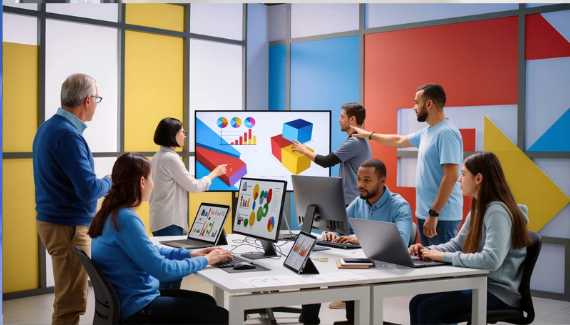
Many businesses now work remotely or in hybrid mode.
Modern CRM and accounting platforms support this shift with:
- Role-based access
- Centralized cloud storage
- Comment and tagging features
- Task assignment
- Shared calendars
- Mobile apps for on-the-go teams
This ensures smoother teamwork and faster task completion.
6. AI, Automations, and Workflows: The Future of 2026

The latest platforms now include:
A. AI Chatbots and Voice Assistants
They can:
- Answer customer questions
- Create invoices
- Fetch reports
- Draft emails
- Suggest accounting corrections
B. Workflow Builders
You can automate:
- Lead distribution
- Invoice reminders
- Task creation
- Approvals
- Escalations
This reduces routine tasks and increases productivity.
C. Predictive Alerts
Systems notify you before problems happen:
- Low stock
- Cash flow shortage
- Sudden drop in sales
- High refund rates
- Budget overspending
This keeps your business always ready for the future.
Conclusion: 2026 Belongs to Businesses That Adopt Smart Tools Today
The business world is changing fast. Customers expect better experiences. Governments expect cleaner financial records. Teams expect smarter tools.
Modern CRMs and accounting platforms prepare you for all of this by:
- Automating routine work
- Improving accuracy
- Boosting customer satisfaction
- Reducing compliance risks
- Offering real-time visibility
- Supporting faster decisions
- Making every department more efficient
If your business wants to grow smoothly in the 2026 financial year, adopting a modern CRM and cloud accounting platform is no longer optional—it is the smartest investment you can make today.



Post Comment