

Table of Contents
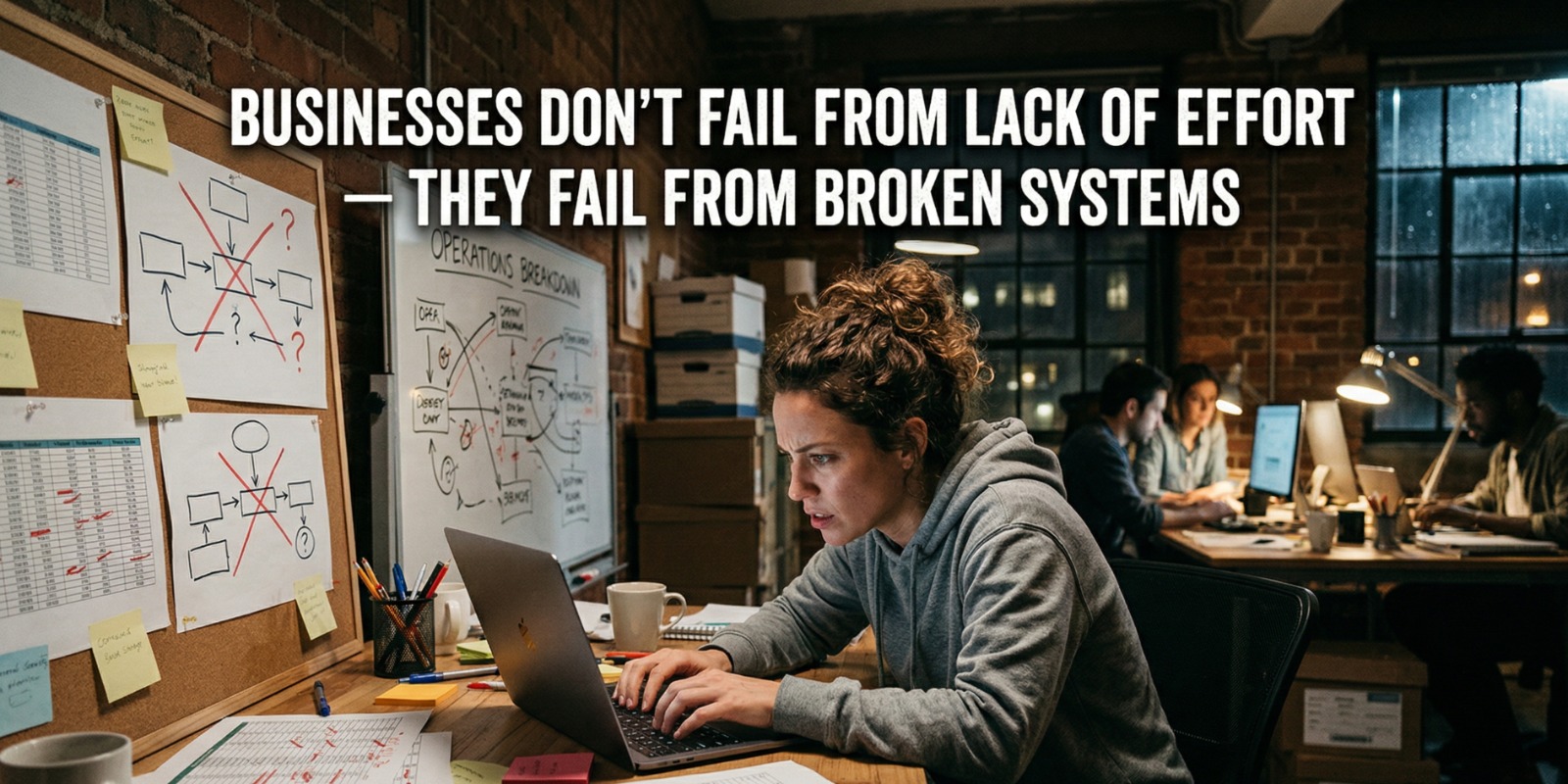
Companies rarely fail because their teams don’t work hard. In fact, most businesses—especially in the UAE’s fast-growing markets—are filled with committed employees, long working hours, and constant firefighting. Yet despite the effort, growth stalls, profits shrink, customer complaints increase, and decisions take too long. The real problem isn’t effort. It’s broken systems.
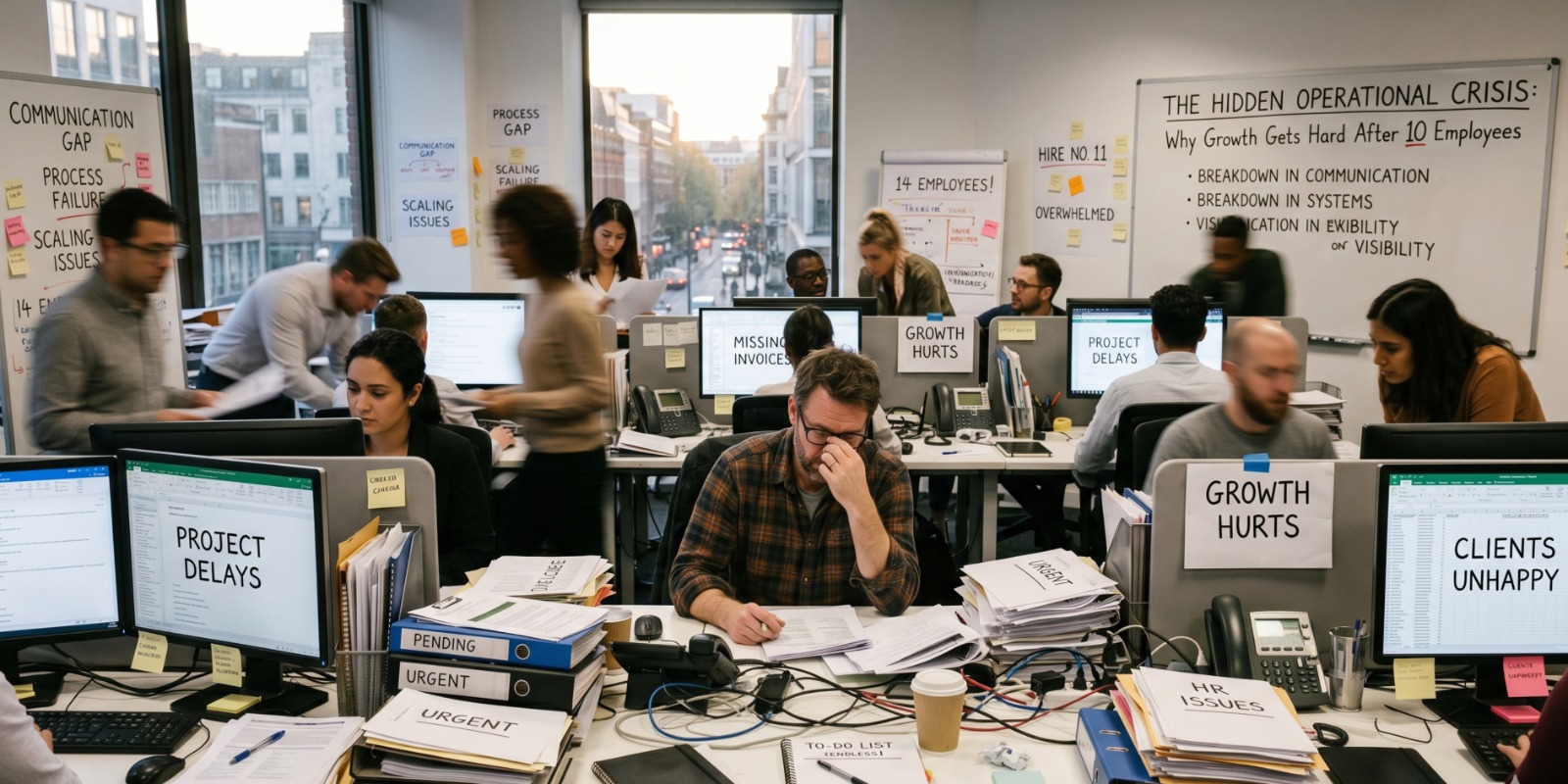
Across industries—from retail and manufacturing to logistics, construction, and professional services—many UAE businesses still rely on disconnected tools. Sales teams use spreadsheets, finance uses accounting software, inventory is tracked manually, HR uses another platform, and management depends on WhatsApp updates. The result is chaos hidden behind hard work.
The Hidden Cost of Broken Systems
When systems are disconnected, teams compensate with manual effort. Employees duplicate data, reconcile mismatched reports, chase approvals, and fix mistakes. This creates operational friction that slows growth and increases risk.
Here’s how broken systems typically appear inside businesses:
| Area | What Happens | Business Impact |
|---|---|---|
| Sales | Orders entered manually | Delays & errors |
| Inventory | Stock tracked in Excel | Overstock & stockouts |
| Finance | Manual reconciliation | Incorrect reports |
| Operations | No workflow tracking | Missed deadlines |
| Management | No real-time visibility | Slow decisions |
| Customer service | No history visibility | Poor experience |
These problems don’t appear overnight. They grow slowly. Teams start working harder, not smarter. More people are hired to manage inefficiencies instead of fixing the root cause.
Effort Increases, Productivity Decreases
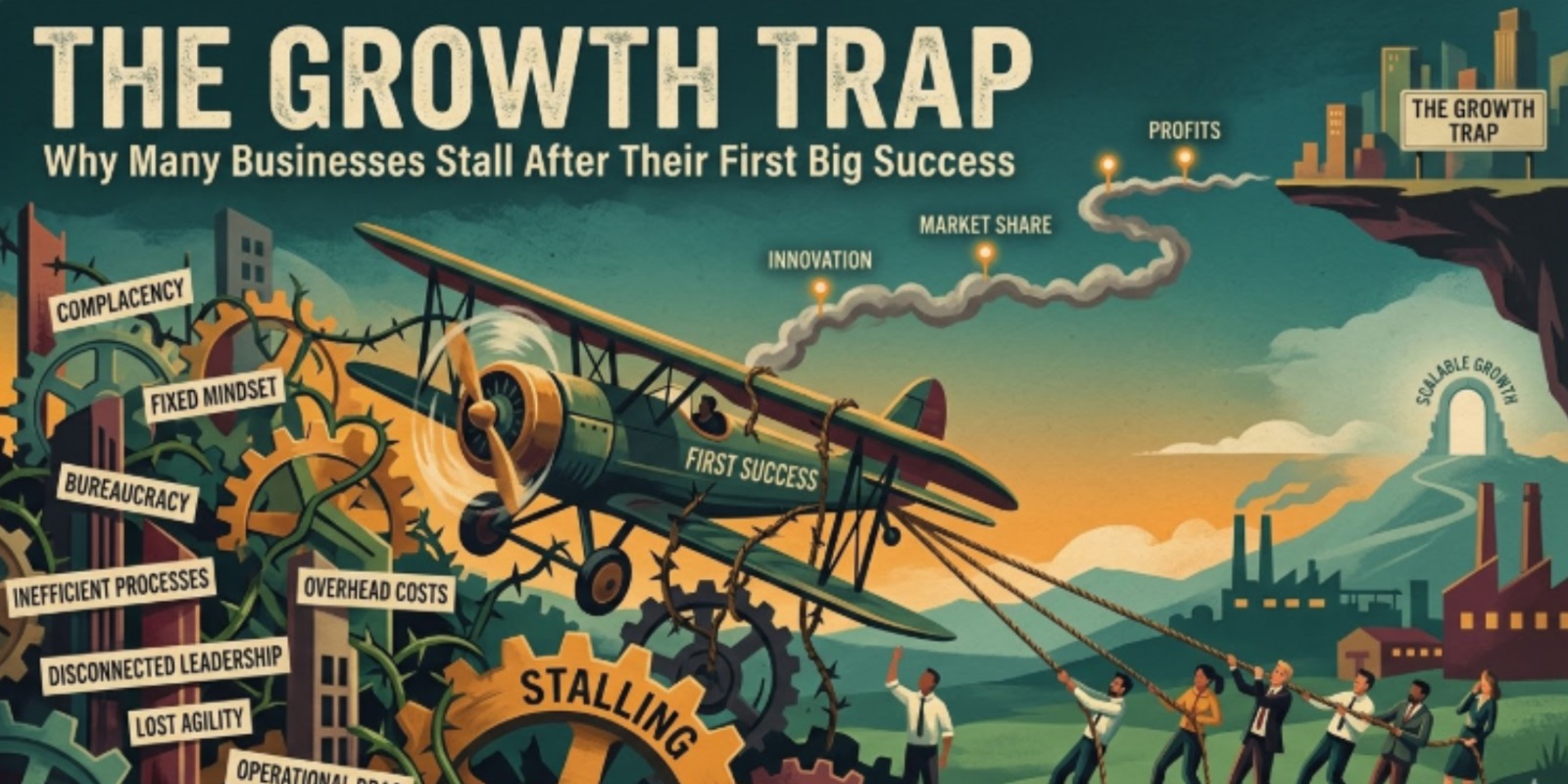
This is the dangerous phase. Businesses add more staff, extend working hours, and push teams to perform. But since systems are still broken, productivity doesn’t improve. Costs increase. Margins shrink.
For example, a UAE retail company handling 300 orders per day used:
- Excel for stock
- Accounting software for invoices
- WhatsApp for approvals
- Email for order confirmations
The team worked 10–12 hours daily. Yet:
- Orders shipped late
- Stock mismatches increased
- Finance reports were inaccurate
- Customer complaints grew
The issue wasn’t effort. It was lack of integration.
What High-Growth Businesses Do Differently
Successful businesses focus on system-driven operations. Instead of relying on manual coordination, they implement integrated ERP platforms that connect every department.
A unified system ensures:
- Sales automatically updates inventory
- Inventory triggers purchase orders
- Finance generates invoices instantly
- Management sees real-time dashboards
- Workflows automate approvals
This removes operational friction and allows teams to focus on growth.
Before vs After: Broken Systems vs Integrated ERP
| Function | Broken Systems | Integrated ERP |
|---|---|---|
| Order Management | Manual entry | Auto-created from sales |
| Inventory | Excel tracking | Real-time stock visibility |
| Finance | Separate accounting | Auto-generated invoices |
| Approvals | WhatsApp/email | Workflow automation |
| Reporting | Manual reports | Live dashboards |
| Decision making | Delayed | Data-driven |
Real UAE Business Scenario
A Dubai-based distribution company struggled with:
- Stock mismatches across warehouses
- Delayed invoicing
- Manual purchase approvals
- No profit visibility per product
The company was working harder every quarter, but profits were declining.
After implementing an integrated ERP system:
- Orders synced with inventory automatically
- Purchase approvals automated
- Invoices generated instantly
- Profit margins visible per product
- Real-time dashboards for management
Results within 3 months:
- 35% faster order processing
- 28% reduction in inventory errors
- 40% improvement in reporting accuracy
- Better decision-making speed
The team size stayed the same, but productivity increased dramatically.
Why This Matters in the UAE Market
The UAE business environment is highly competitive. Companies must scale quickly while maintaining operational efficiency. Manual processes that worked for small teams fail when businesses expand across multiple branches, warehouses, or regions.
Common challenges UAE businesses face:
- Multi-location inventory
- VAT compliance requirements
- Multi-currency transactions
- Fast-growing customer base
- Complex approvals
- Supplier coordination
Without integrated systems, these challenges create operational bottlenecks.
Signs Your Business Has Broken Systems
You may not realize it, but your systems may already be holding you back. Look for these warning signs:
- Teams rely heavily on Excel
- Reports don’t match across departments
- Inventory is often inaccurate
- Sales and finance data differ
- Approvals happen via WhatsApp
- No real-time dashboard available
- Management decisions take too long
- Employees work overtime regularly
If you recognize even three of these, your systems—not your team—are the problem.
The Shift: Effort-Driven to System-Driven
Businesses that scale successfully make a fundamental shift:
From people-dependent operations to system-driven processes.
This means:
- Automation replaces manual work
- Integration replaces duplication
- Visibility replaces assumptions
- Workflows replace chaos
- Data replaces guesswork
The goal isn’t to reduce effort—it’s to ensure effort produces results.
The Business Impact of Fixing Systems
When broken systems are replaced with integrated operations, businesses experience:
- Faster order processing
- Accurate inventory tracking
- Automated invoicing
- Better cash flow visibility
- Reduced operational costs
- Improved customer satisfaction
- Scalable operations
- Real-time decision-making
Most importantly, teams stop firefighting and start focusing on growth.
Final Thought
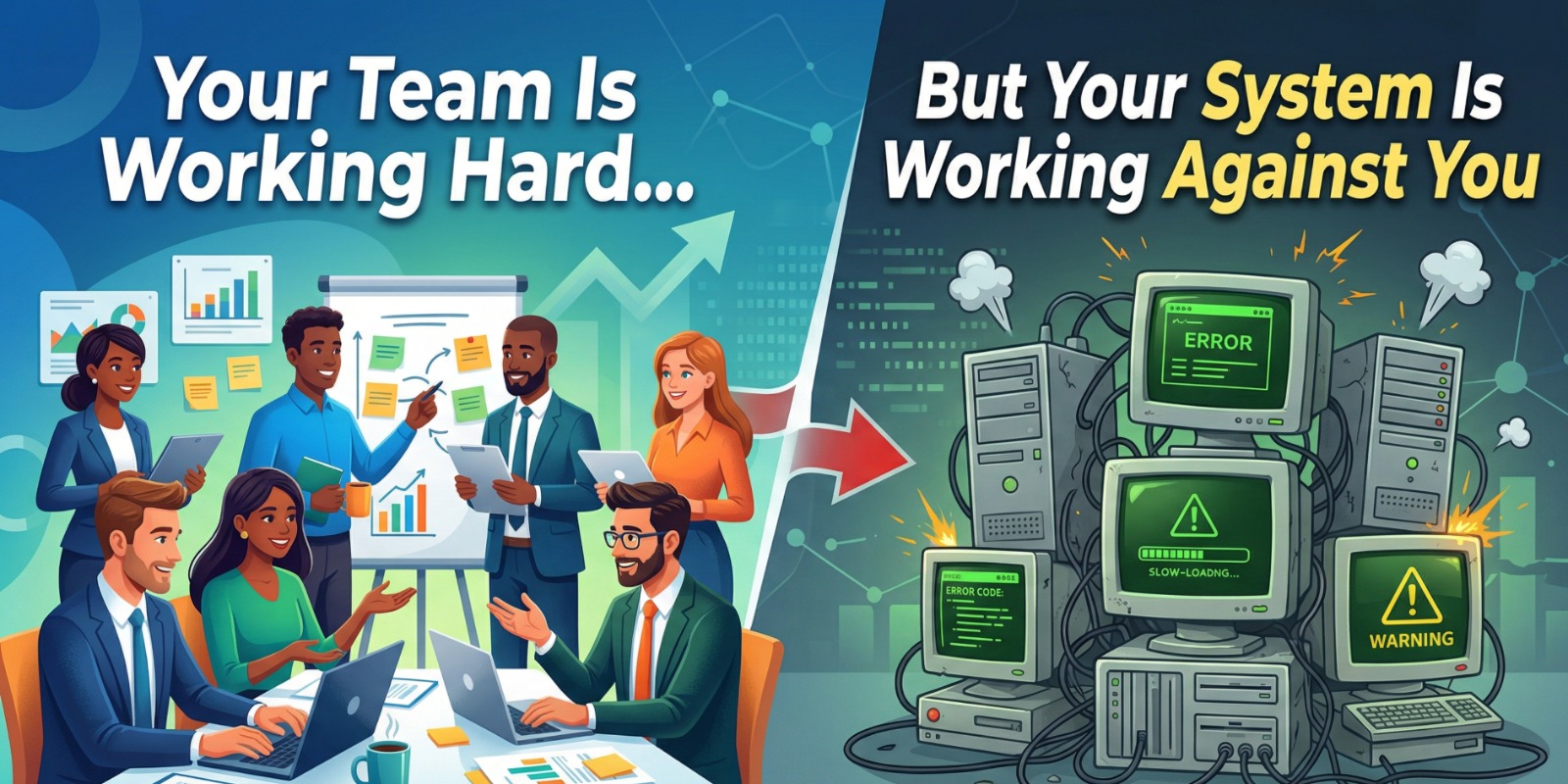
Businesses don’t fail because their teams aren’t working hard enough. They fail because their systems make hard work ineffective. When operations rely on manual coordination and disconnected tools, effort turns into exhaustion instead of growth.
The most successful UAE companies understand this. They invest in integrated systems, automate workflows, and create visibility across operations. The result isn’t just efficiency—it’s sustainable growth.
If your team is working harder every month but results aren’t improving, the problem isn’t effort. It’s time to fix the system.



Post Comment