

Table of Contents
The UAE eCommerce market is growing fast, driven by digital-first consumers, cross-border selling, and strong logistics infrastructure. For eCommerce managers, growth is no longer just about launching an online store—it is about managing multiple sales channels at the same time. Websites, marketplaces, social commerce, retail outlets, and warehouses must all work together seamlessly. This is where many fast-growing eCommerce businesses struggle.
Disconnected systems create stock mismatches, delayed orders, unhappy customers, and poor visibility for managers. To scale confidently in the UAE, eCommerce businesses need one system that connects everything. This is where Odoo plays a critical role in enabling true omnichannel growth.
The Omnichannel Challenge in UAE eCommerce
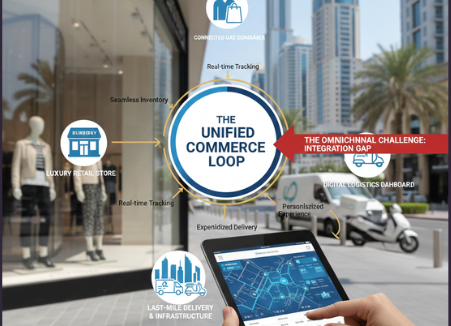
UAE eCommerce managers typically manage:
- Own website (B2C or B2B)
- Marketplaces like Amazon or Noon
- Social commerce via Instagram or WhatsApp
- One or more warehouses
- Sometimes physical retail or pickup locations
When each channel runs on a separate tool, problems appear quickly. Inventory is updated manually, orders are processed late, and customer experience becomes inconsistent. Growth then creates pressure instead of profit.
Omnichannel success is not about selling everywhere—it is about operating as one business across all channels.
Why Traditional eCommerce Setups Break at Scale
Many businesses start with:
- One platform for the website
- Separate inventory software
- Accounting handled elsewhere
- Manual order reconciliation
This approach may work at low volumes, but it fails when order volume increases.
| Common Issue | Business Impact |
| Stock mismatch | Overselling or lost sales |
| Manual order handling | Delayed fulfillment |
| Channel-wise reporting | No single source of truth |
| Separate accounting | VAT and compliance risk |
| Poor visibility | Slow decision-making |
For UAE businesses operating in a competitive market, these inefficiencies quickly become costly.
How Odoo Enables Omnichannel Growth
Odoo approaches eCommerce differently. Instead of adding integrations on top of disconnected tools, it provides one unified platform where all channels operate from the same system.
With Odoo:
- All orders flow into one dashboard
- Inventory is updated in real time across channels
- Pricing, promotions, and availability stay consistent
- Accounting and VAT are automatically aligned
This unified approach is what allows eCommerce businesses to scale without losing control.
One Inventory, All Channels
Inventory accuracy is the backbone of omnichannel success. In Odoo, inventory is shared across:
- Online store
- Marketplaces
- Warehouses
- Retail or pickup points
When a product is sold on one channel, stock is immediately updated everywhere else. This prevents overselling and builds customer trust—especially important in the UAE, where fast delivery expectations are high.
Order Management Without Chaos
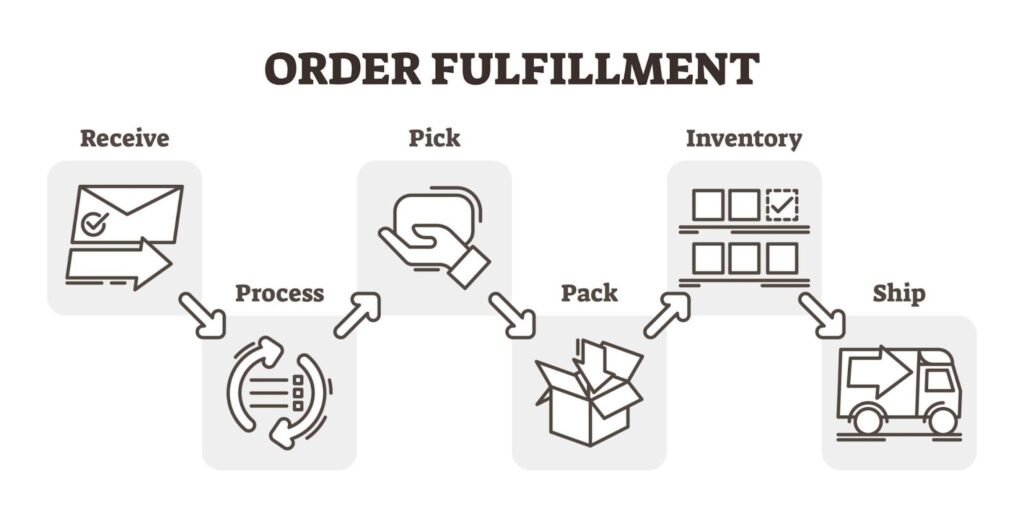
Odoo centralizes order management so eCommerce managers can:
- View all orders in one place
- Assign orders to the right warehouse
- Track order status in real time
- Handle returns and exchanges smoothly
This visibility helps teams move faster and reduce fulfillment errors.
Real-Life UAE eCommerce Case Example
A mid-sized UAE-based eCommerce brand selling fashion products operated through:
- Shopify website
- Marketplace listings
- One central warehouse
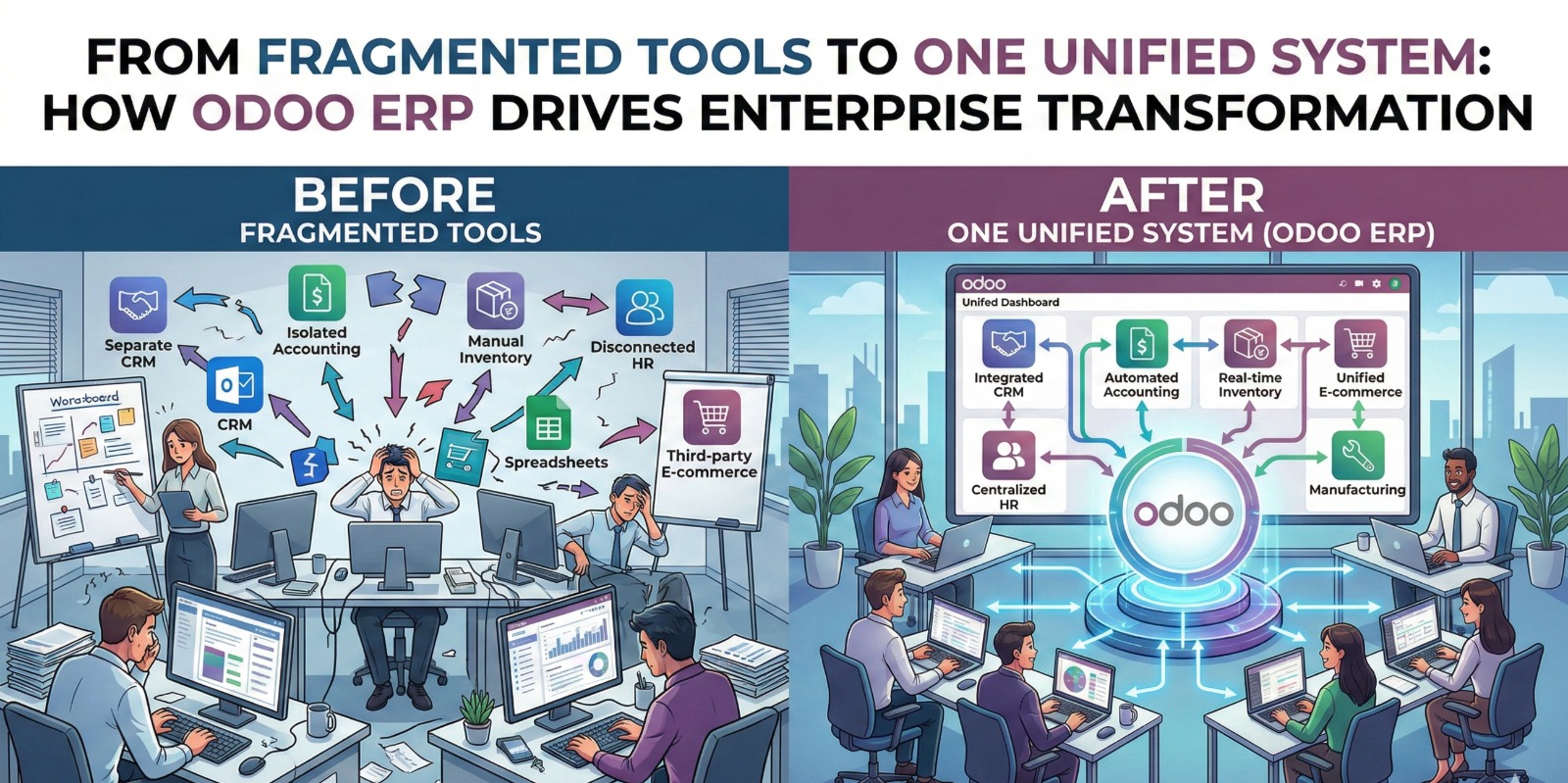
Before Odoo
- Inventory updated manually
- Frequent stock-outs on fast-moving items
- Delayed order processing during peak sales
After Implementing Odoo
- Centralized inventory and order management
- Automated stock updates across all channels
- Faster order fulfillment and fewer cancellations
Results within 6 months
- 30% reduction in order-related issues
- Better inventory turnover
- Improved customer satisfaction
Growth became manageable instead of stressful.
Omnichannel Visibility for eCommerce Managers
For eCommerce managers, visibility matters as much as execution. Odoo provides clear dashboards showing:
- Sales by channel
- Best-selling products
- Inventory health
- Order fulfillment performance
This allows managers to spot trends early and adjust strategy quickly—critical in the fast-moving UAE market.
Odoo vs Disconnected eCommerce Tools
| Area | Disconnected Tools | Odoo Omnichannel |
| Inventory sync | Manual / delayed | Real-time |
| Order visibility | Channel-wise | Centralized |
| VAT handling | Separate systems | Integrated |
| Reporting | Fragmented | Unified |
| Scalability | Limited | High |
The difference is operational clarity.
Why UAE eCommerce Businesses Prefer Odoo
UAE businesses operate in a unique environment:
- High customer expectations
- Fast logistics
- VAT compliance
- Cross-border selling
Odoo supports these needs by combining eCommerce, inventory, accounting, and operations into one platform—without forcing unnecessary complexity.
Final Perspective
Omnichannel growth is no longer optional for eCommerce businesses in the UAE. Customers expect to buy anywhere, receive orders quickly, and experience consistent service across channels. Meeting these expectations requires more than integrations—it requires one connected system.
Odoo enables eCommerce managers to scale with confidence by delivering real-time visibility, operational control, and seamless omnichannel execution. For UAE eCommerce brands planning sustainable growth, Odoo is not just an ERP—it is a growth enabler.
1. What is omnichannel eCommerce?
Omnichannel eCommerce means selling through multiple channels—website, marketplaces, social commerce, and stores—while managing everything from one connected system.
2. Why do UAE eCommerce businesses struggle with omnichannel growth?
Many businesses use separate tools for each channel, causing inventory mismatches, delayed orders, and poor visibility as volume grows.
3. How does Odoo support omnichannel eCommerce?
Odoo centralizes orders, inventory, customers, and accounting into one system, ensuring real-time updates across all sales channels.
4. Can Odoo integrate with marketplaces and warehouses?
Yes. Odoo supports marketplace integrations and multi-warehouse operations, making it suitable for UAE-based omnichannel businesses.




Post Comment