

Table of Contents
A Shift Businesses Can’t Ignore
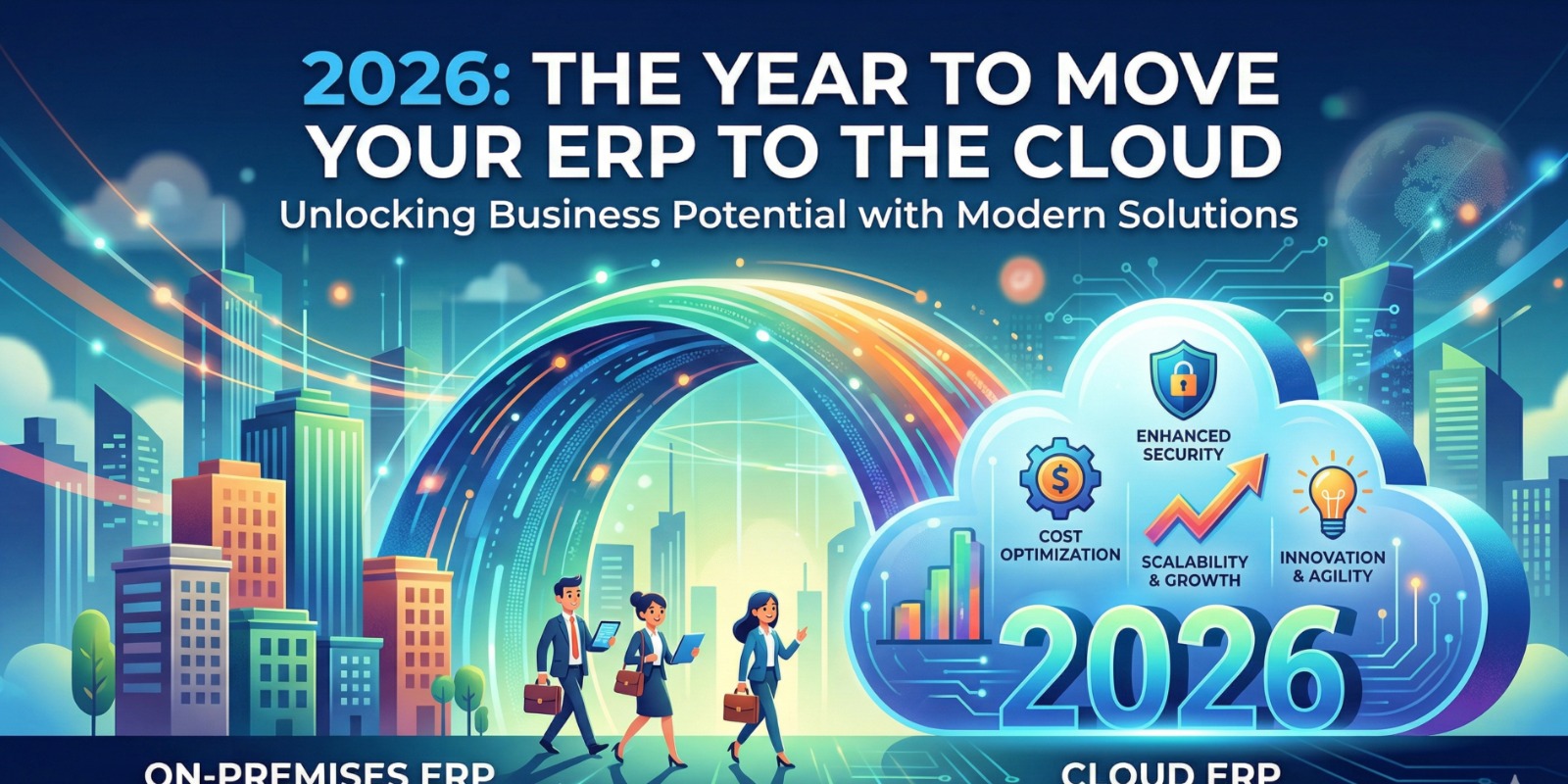
Across industries, businesses are rethinking how their core systems operate. Traditional on-premise ERP setups that once seemed reliable are now slowing companies down. Hardware limitations, expensive upgrades, remote access challenges, and disconnected workflows are creating operational friction. Meanwhile, competition is moving faster, customers expect real-time responses, and decision-makers need instant visibility. This is why 2026 is becoming a turning point. Companies are no longer asking whether they should move ERP to the cloud — they are deciding how quickly they can do it. Cloud ERP is no longer just a technology upgrade; it’s a business strategy that supports growth, agility, and long-term efficiency.
The End of Heavy Infrastructure and Maintenance

Maintaining traditional ERP systems requires servers, IT teams, backup systems, and constant monitoring. These hidden operational costs often go unnoticed until systems fail or upgrades become unavoidable. In 2026, organizations are prioritizing operational simplicity. Cloud ERP removes the need for physical infrastructure, allowing businesses to operate without worrying about hardware failures or manual updates. System upgrades happen automatically, security patches are handled in the background, and businesses can focus on operations instead of IT maintenance. This shift reduces downtime and ensures that companies are always running on the latest version of their ERP without disruption.
Real-Time Visibility Is No Longer Optional
Modern businesses cannot operate on yesterday’s data. Sales teams need inventory updates instantly, finance teams need live reporting, and management requires real-time dashboards. Traditional ERP systems often rely on batch updates or manual syncing, which creates delays in decision-making. Cloud ERP changes this entirely. Data flows across departments in real time, creating a single source of truth. When a sale happens, inventory updates instantly. When expenses are recorded, financial reports reflect changes immediately. This level of transparency allows leadership to make faster and more accurate decisions, reducing operational risks and improving overall performance.
Supporting Remote and Distributed Teams
The way teams work has changed permanently. Employees are working across locations, partners operate globally, and decision-makers need access to systems from anywhere. On-premise ERP systems struggle with remote access and often require VPNs, complex configurations, or limited permissions. Cloud ERP solves this challenge by providing secure browser-based access from any device. Whether a sales manager is traveling, a warehouse team is onsite, or finance is working remotely, everyone operates within the same system. This flexibility improves collaboration, reduces delays, and keeps operations moving regardless of location.
Faster Implementation and Scalability

Traditional ERP implementations often take months, sometimes years, due to infrastructure setup, installation, and configuration. In contrast, cloud ERP implementations are significantly faster. Businesses can start with essential modules and expand gradually. This modular approach allows organizations to scale based on growth rather than investing heavily up front. As companies expand into new markets, add new teams, or launch new services, cloud ERP adapts quickly. There is no need to purchase new servers or redesign the architecture. The system grows with the business, making it ideal for both mid-size companies and enterprises planning rapid expansion.
Improved Security and Compliance
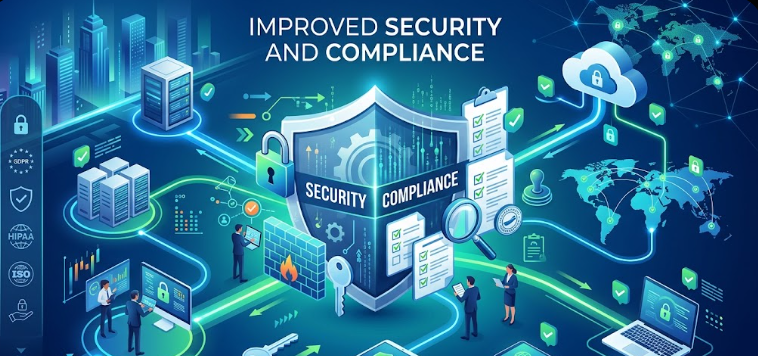
Security concerns once slowed cloud adoption, but the landscape has changed. In 2026, cloud platforms offer enterprise-grade security that many on-premise setups cannot match. Data encryption, automated backups, role-based access control, and continuous monitoring are built into cloud ERP environments. Businesses also benefit from compliance-ready infrastructure, which helps meet regulatory requirements more easily. Instead of relying on manual security practices, companies operate within structured and monitored environments. This reduces the risk of data loss, unauthorized access, and operational downtime.
Cost Efficiency and Predictable Spending
One of the biggest drivers for cloud ERP adoption is cost predictability. Traditional ERP systems involve capital expenditure for hardware, licensing, upgrades, and maintenance. These costs often increase over time. Cloud ERP operates on a subscription-based model, converting large upfront investments into manageable operational expenses. Businesses pay for what they use and can scale up or down as needed. This financial flexibility is especially valuable for growing companies that want to control costs while expanding operations.
Integration with Modern Business Tools
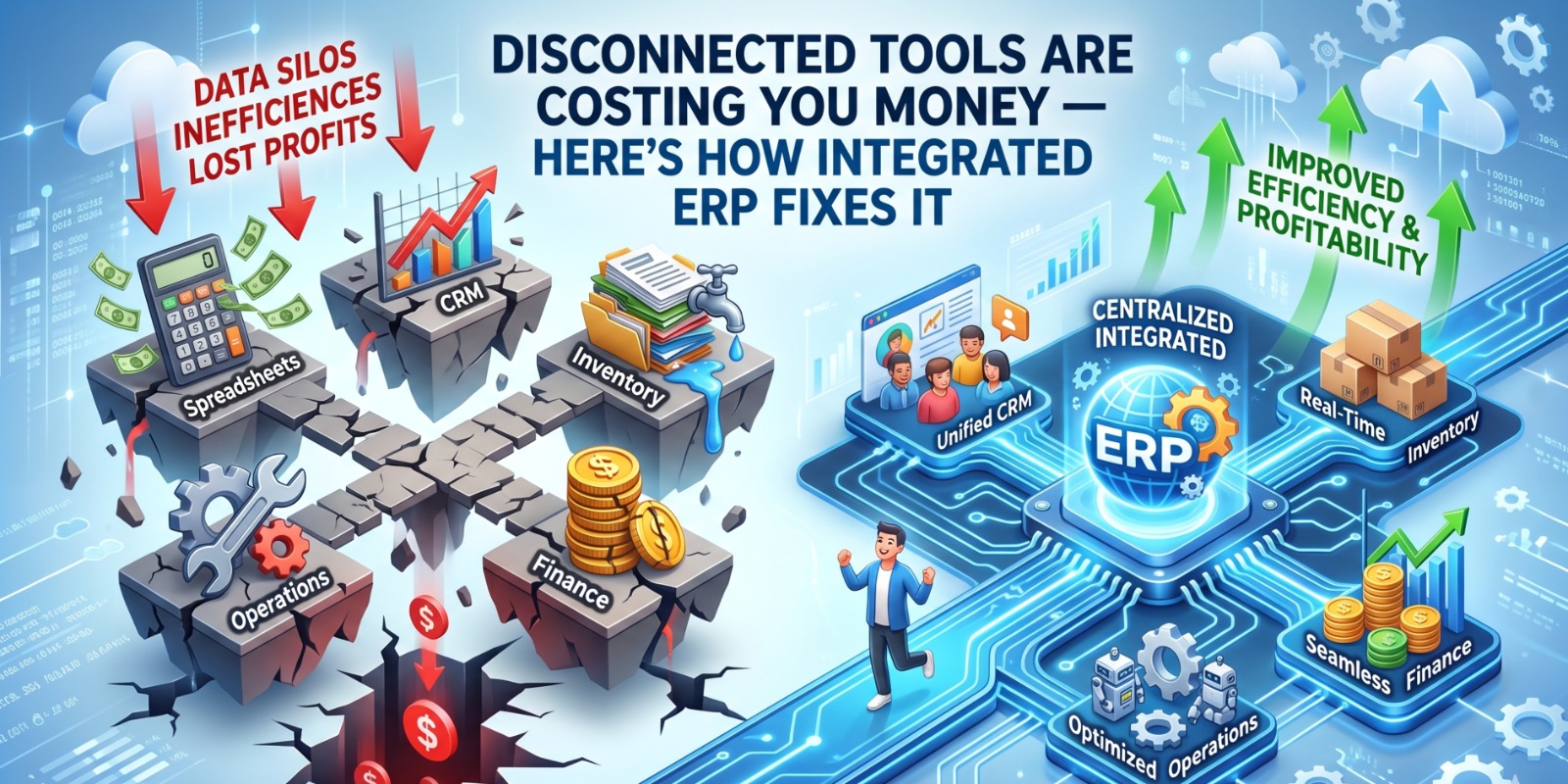
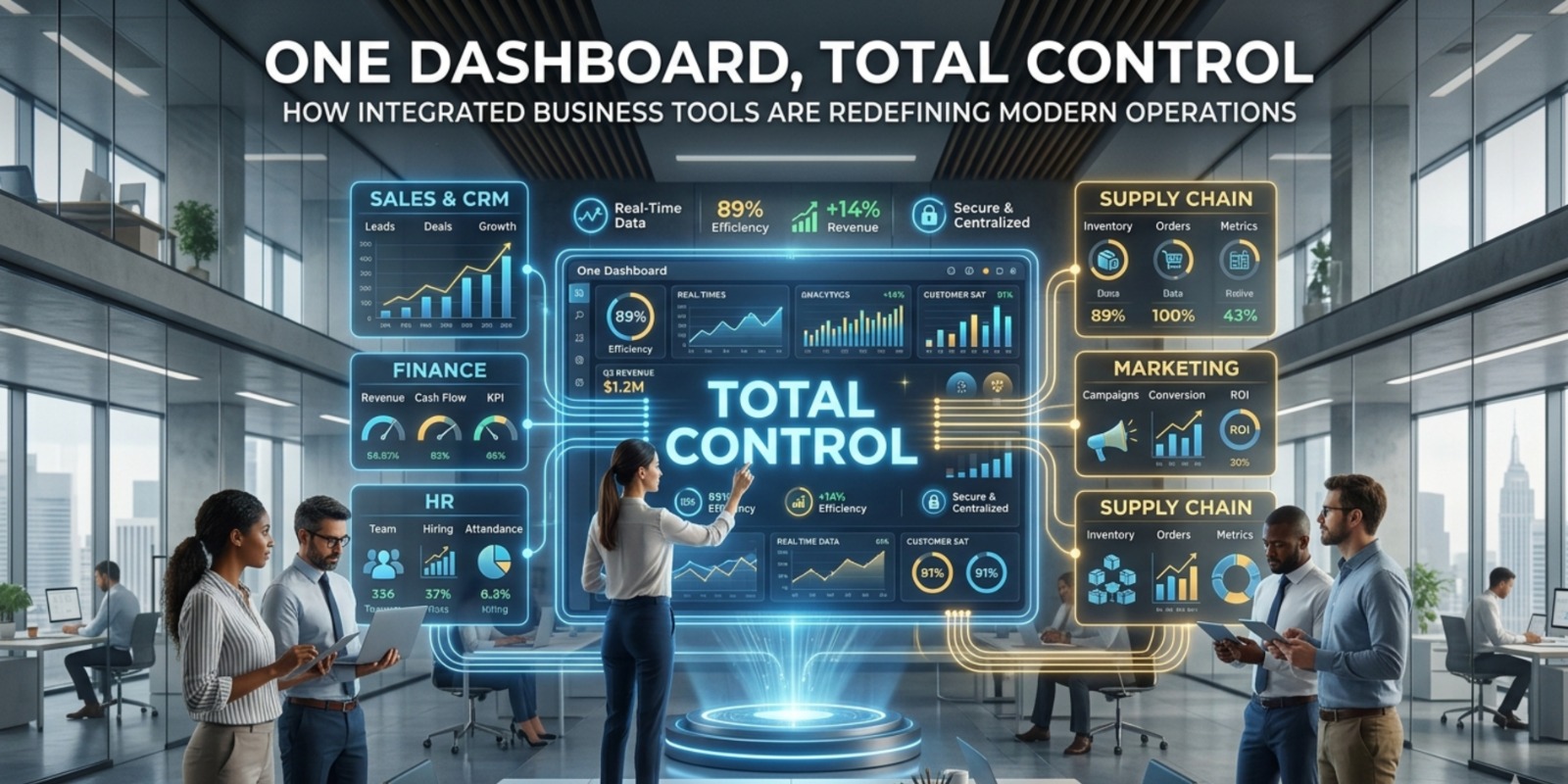
Businesses today rely on multiple systems such as CRM, eCommerce platforms, analytics tools, and automation workflows. Traditional ERP systems often struggle with integrations, leading to disconnected data and manual processes. Cloud ERP platforms are designed for connectivity. They integrate easily with third-party applications, enabling automated workflows across departments. For example, orders from an online store can flow directly into ERP, trigger inventory updates, generate invoices, and update financial reports automatically. This reduces manual work and improves operational efficiency.
Better User Experience and Adoption
User adoption has always been a challenge with legacy ERP systems. Complex interfaces and outdated workflows make systems difficult to use. Cloud ERP platforms focus heavily on usability. Modern dashboards, mobile-friendly interfaces, and intuitive navigation improve user experience. When systems are easier to use, teams adopt them faster. Higher adoption leads to better data accuracy, improved collaboration, and more reliable reporting. This ultimately increases the value organizations receive from their ERP investment.
Business Continuity and Disaster Recovery
Unexpected disruptions such as system failures, cyber incidents, or natural disasters can severely impact operations. Traditional ERP systems often depend on local backups and manual recovery procedures. Cloud ERP environments include built-in redundancy, automated backups, and disaster recovery mechanisms. If one server fails, another takes over seamlessly. This ensures business continuity and minimizes downtime. Companies can operate with confidence knowing their data and operations remain protected.
Competitive Advantage in a Fast-Moving Market
Organizations that adopt cloud ERP gain agility. They can launch new services faster, adapt to market changes quickly, and scale operations without technical barriers. Competitors relying on outdated systems often struggle with slow processes and limited visibility. In 2026, speed and adaptability are becoming key differentiators. Cloud ERP provides the foundation businesses need to stay competitive and responsive.
Conclusion: The Right Time Is Now
Moving ERP to the cloud is no longer a future consideration. It is becoming a necessary step for businesses that want efficiency, flexibility, and growth. The combination of real-time data, remote accessibility, lower maintenance, stronger security, and scalability makes cloud ERP the logical choice for 2026. Companies that transition now position themselves for faster decision-making, improved collaboration, and sustainable growth. Those who delay risk operating with systems that slow them down. The shift is already happening across industries, and organizations that act early will be the ones leading the next phase of digital business transformation.



Post Comment