


Table of Contents
A New Year Is the Right Time to Fix Old Problems

Every new year gives businesses a chance to reset priorities, improve operations, and remove the habits that slow growth. For many companies, finance is one of those areas that quietly carries outdated processes into each new year.
Manual invoicing, delayed reports, scattered spreadsheets, approval bottlenecks, and unclear cash flow are still common in businesses of every size. These issues may feel manageable at first, but over time, they create stress, slow decisions, and reduce profitability.
If you are starting fresh in 2026, this is the ideal time to rethink how your business manages money. Smart accounting tools are helping modern companies simplify daily operations, improve visibility, and free teams from repetitive work.
The goal is not just better bookkeeping. The goal is better business control.
Why Traditional Finance Habits Hold Businesses Back
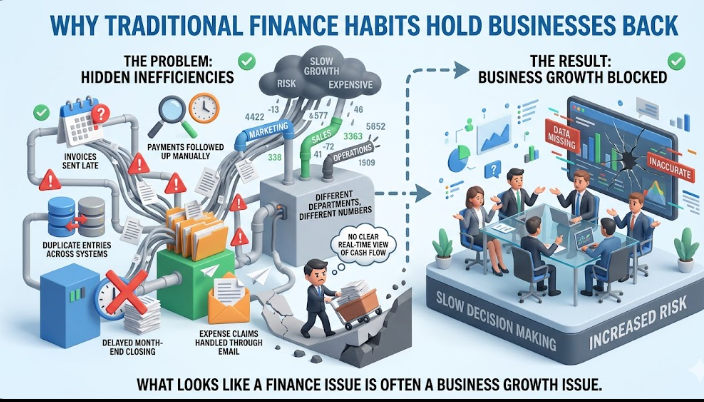
Many companies still run finance operations using a mix of spreadsheets, emails, basic accounting software, and manual approvals. This creates hidden inefficiencies that become expensive over time.
Common problems include:
- Invoices sent late
- Payments followed up manually
- Duplicate entries across systems
- Delayed month-end closing
- Expense claims handled through email
- Different departments working with different numbers
- No clear real-time view of cash flow
When leadership lacks accurate and timely financial information, decisions become slower and riskier.
What looks like a finance issue is often a business growth issue.
What Smart Accounting Tools Actually Mean
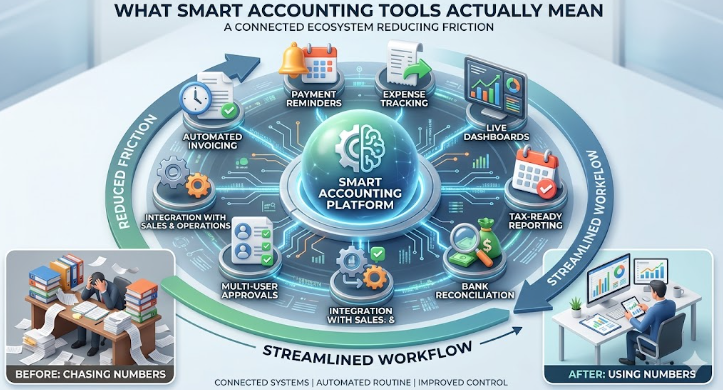
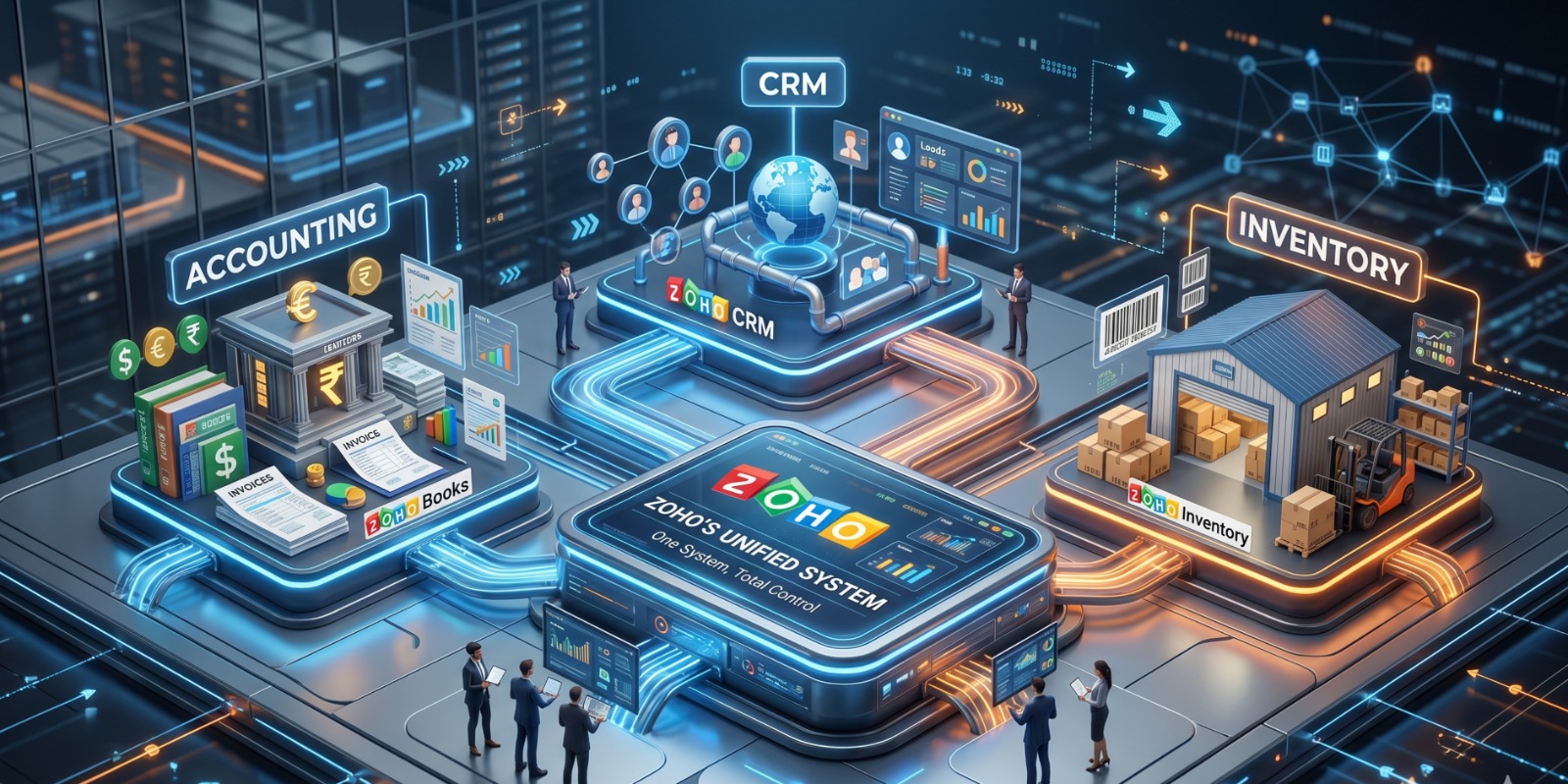
Smart accounting tools are not just digital ledgers. They are connected systems designed to reduce friction across finance processes.
Modern platforms such as Zoho Books, Odoo, and other cloud solutions help businesses automate routine tasks while improving control.
They often include:
- Automated invoicing
- Payment reminders
- Expense tracking
- Live dashboards
- Tax-ready reporting
- Bank reconciliation
- Multi-user approvals
- Integration with sales and operations
Instead of spending time chasing numbers, teams spend time using numbers.
Why 2026 Is Different
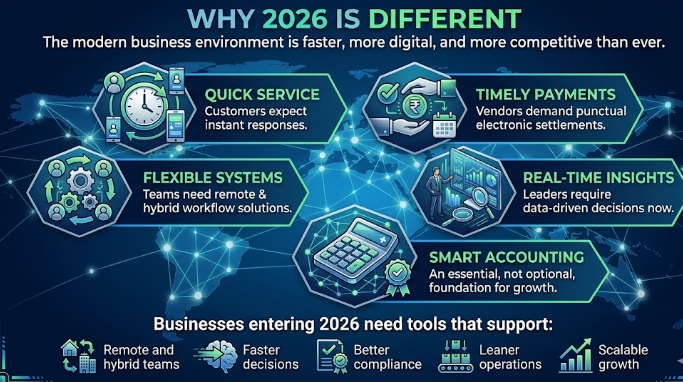
The business environment in 2026 is faster, more digital, and more competitive than ever before. Customers expect quick service. Vendors expect timely payments. Teams expect flexible systems. Leaders expect real-time insights.
This means old finance methods create even bigger gaps.
Businesses entering 2026 need tools that support:
- Remote and hybrid teams
- Faster decisions
- Better compliance
- Leaner operations
- Scalable growth
Smart accounting is no longer optional for growing businesses. It is becoming standard practice.
Key Benefits of Simplifying Finance
1. Better Cash Flow Visibility
One of the biggest business risks is not knowing your real cash position.
Modern tools help track:
- Outstanding invoices
- Upcoming bills
- Current balances
- Payment trends
This allows owners to plan hiring, purchasing, and investments with more confidence.
2. Faster Invoicing, Faster Payments
Delayed invoices often lead to delayed revenue.
Automated systems can generate invoices quickly, send reminders automatically, and maintain payment records clearly.
The result:
- Better collections
- Fewer missed payments
- Stronger cash discipline
3. Less Manual Work for Teams
Finance teams often spend too much time on repetitive tasks.
Smart systems reduce time spent on:
- Data entry
- Matching records
- Chasing approvals
- Manual calculations
- Spreadsheet consolidation
That frees staff to focus on planning, analysis, and support.
4. Stronger Decision-Making
Business owners need answers quickly.
Questions like:
- Are we profitable this month?
- Which department is overspending?
- Which customers are slow payers?
- Can we afford expansion?
Modern dashboards provide faster clarity than static reports.
Case Study: Trading Business Starts Fresh
A mid-sized trading company entered the year using three separate systems for accounting, invoicing, and expense approvals. Month-end reporting took nearly ten days, and management frequently questioned report accuracy.
The business moved to a connected accounting platform.
Within Four Months:
- Month-end closing reduced to three days
- Invoices issued 40% faster
- Expense approvals moved online
- Leadership accessed weekly dashboards
- Finance team overtime reduced significantly
The company did not grow because of software alone. It grew because the business finally had clarity.
How to Choose the Right Tool in 2026
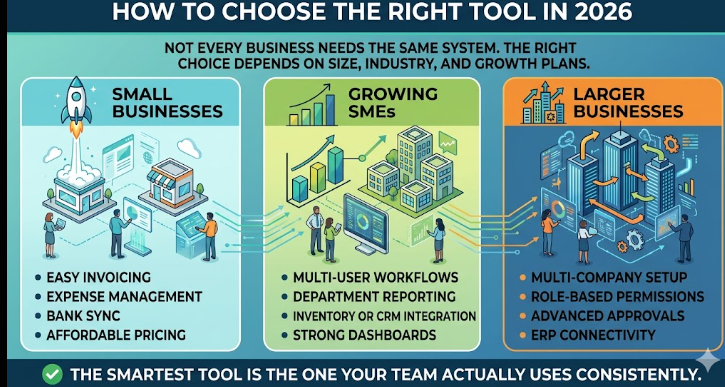
Not every business needs the same system. The right choice depends on size, industry, and growth plans.
Small Businesses
Look for:
- Easy invoicing
- Expense management
- Bank sync
- Affordable pricing
Growing SMEs
Look for:
- Multi-user workflows
- Department reporting
- Inventory or CRM integration
- Strong dashboards
Larger Businesses
Look for:
- Multi-company setup
- Role-based permissions
- Advanced approvals
- ERP connectivity
The smartest tool is the one your team actually uses consistently.
Warning Signs You Need a Change
You may need to modernize finance systems if:
- Reports are always delayed
- Cash flow feels uncertain
- Teams rely heavily on spreadsheets
- Approvals happen over WhatsApp or email
- Staff complain about duplicate work
- You cannot trust one version of the numbers
- Growth feels harder than it should be
These signals often appear long before larger financial problems do.
Simplicity Is a Competitive Advantage
Many businesses assume more features mean better systems. In reality, complexity often creates resistance.
Simple tools usually win because they offer:
- Faster adoption
- Cleaner workflows
- Better productivity
- Lower training burden
- Stronger long-term usage
A finance system should make work easier, not more complicated.
Final Thoughts: Start 2026 with Better Financial Control
Starting fresh in 2026 is not about buying more software. It is about removing unnecessary friction from your business.
If finance operations are slow, unclear, or stressful, the problem may not be your people. It may be your systems.
Smart accounting tools help businesses simplify invoicing, gain visibility, improve control, and create stronger decision-making habits.
The companies that grow well in 2026 will not just sell more.
They will operate smarter.
And that often begins with better finance systems.





Post Comment